










Online



How do rock bolts and friction bolts work?
2024-06-21
The rock and friction anchors in the pipe joint bolts operate differently.
Rock anchors are anchored by drilling holes into the rock and injecting a curing agent to fix the steel bars, thus providing support and stability.
Friction anchors are anchored through the soil or rock layer and then force is applied outward to increase friction, thus providing resistance to groundwater and seismic dynamics.
Rock anchors consist of only two components: a steel tube and a matching domed bearing plate.
Pipe joint bolts
The steel tube is made of high-strength steel and is slotted along its length.
One end is tapered to facilitate insertion into the drill hole; the other end has a welded annular flange for fixing the bearing plate.
After the bearing plate is installed, the tube is driven into the slightly smaller hole using the same impact drill bit.
As the steel tube of the rock anchor slides into place, the full length of the slot narrows, creating radial pressure over the entire contact length of the rock.
Our rock anchor products offer a variety of tube and plate sizes to meet your individual needs.
In the hole, the tube applies radial pressure to the rock and provides plate load support over the entire contact length.
Our rock bolts (friction bolts) are manufactured to the highest quality standards, with strict quality control, testing and inspection procedures providing reliable quality assurance.
Detailed drawings specify materials, dimensions and tolerances. Each bolt is marked with model, length, manufacturing plant, rolling date and hot batch information.
Installation
Our friction rock bolts are very fast and easy to install, which can effectively reduce the cost of bolting.
It can quickly install rock bolts, usually in less than a minute using a jack drill, stopper, roof bolt trolley or other type of drilling rig.
In a few simple steps, installation can be completed.
Drilling
Replace the drill steel with a driver tool and slide the plate onto the tube.
Drive the tube in with the drill/rock drill. The rock bolt real pull test proves the continued grip. The pull test helps to verify the effectiveness of the stabilizer after installation and over time.
Pull rings can be used on selected tubes for later testing.
Utility Hangers
Utility hangers are available in 18 and 24 inch (46 and 61 cm) lengths.
They are used to support cables, ductwork, pipes, overhead wires, etc.
However, they are not used for ground support, but they offer the same installation advantages as stabilizers.
Split Pipe Anchors
Lightweight items such as ventilation pipes can be hung from the rings on the bearing plate.
An Easy Way to Install Screens and Meshes
Utility hangers make screen and mesh installation easier, faster and safer.
After securing your opening with stabilizers, install all mesh at once by driving the utility hanger into the stabilizer tube.
No new holes required.
No awkward handling of mesh at the end of long anchors or under unsupported ground.
Screens fit tightly to the rock.

Related News
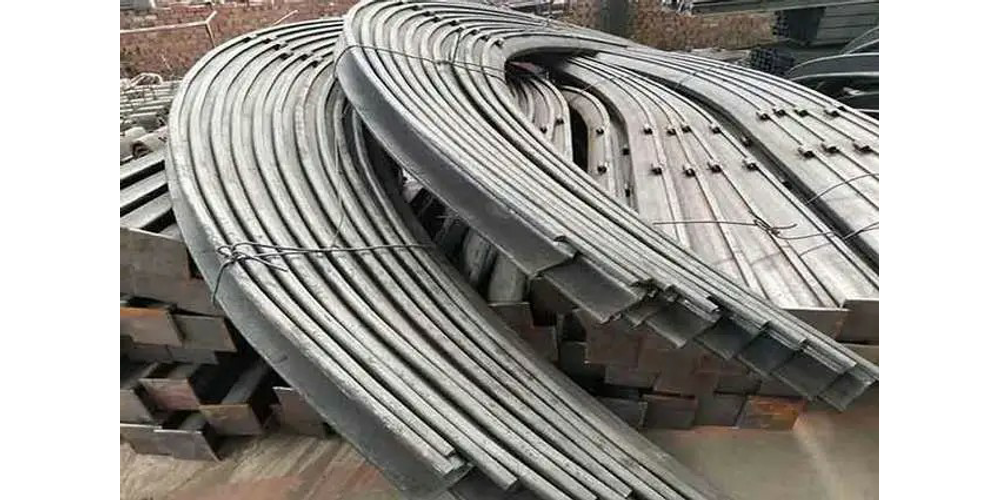
What are the anchor support methods used abroad?
Anchoring method, support method, structural support method, tensile support method, compressive support method and composite support method are all commonly used foreign anchor support methods.
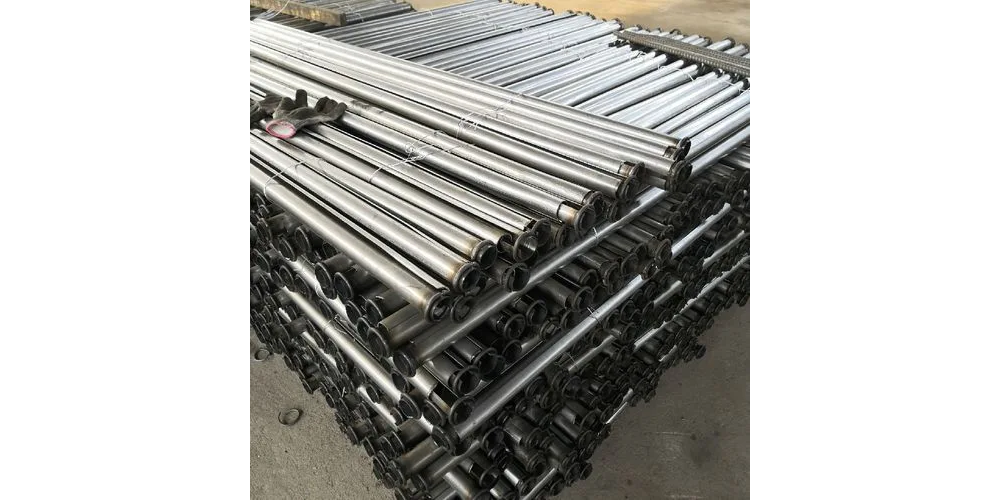
Advantages of 33mm split pipe seam anchor
33mm Tube Slotted Anchor is a type of rock support commonly used in underground mining and civil engineering projects.
What are the anchor support methods used abroad?
Anchoring method, support method, structural support method, tensile support method, compressive support method and composite support method are all commonly used foreign anchor support methods.
Advantages of 33mm split pipe seam anchor
33mm Tube Slotted Anchor is a type of rock support commonly used in underground mining and civil engineering projects.