









Online



Anchor
Mesh Series
tray
Steel belt
Anchor
Mining nuts
Steel strand
Rebar
Anchoring agent
U-shaped steel bracket
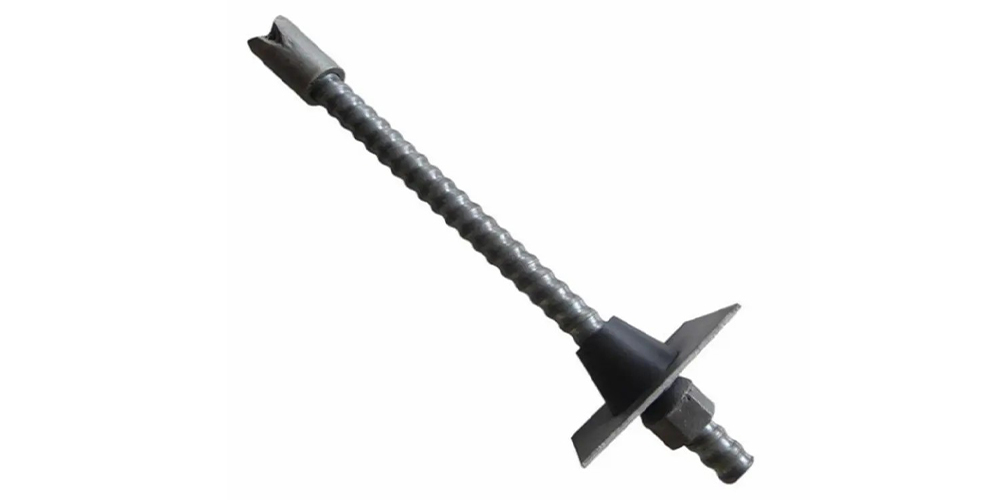
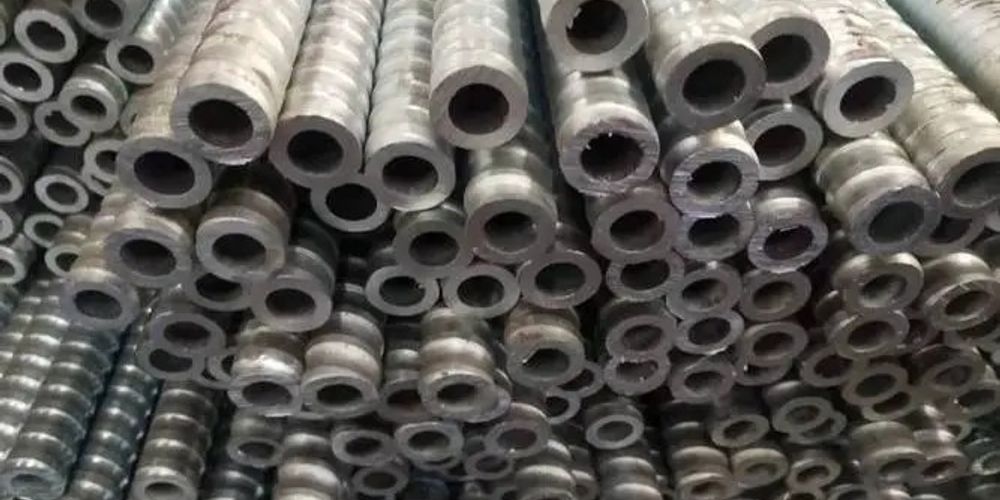
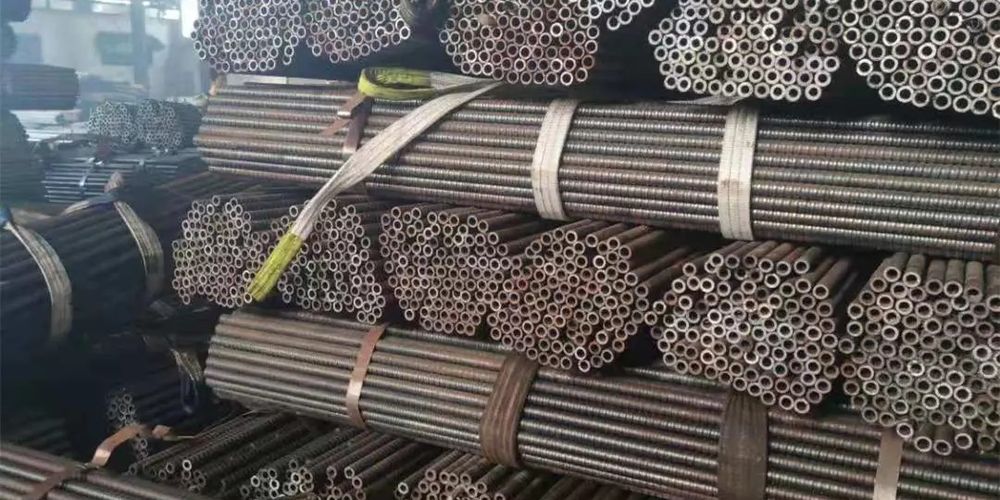
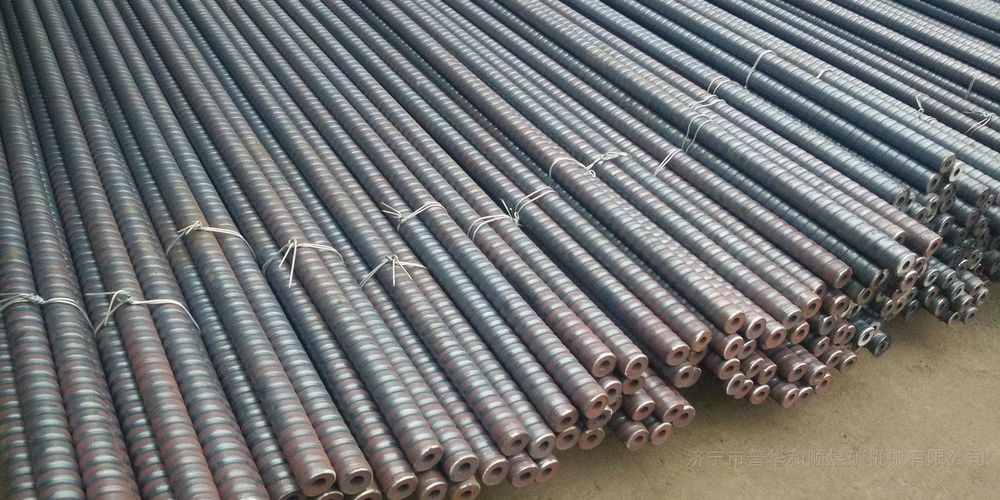
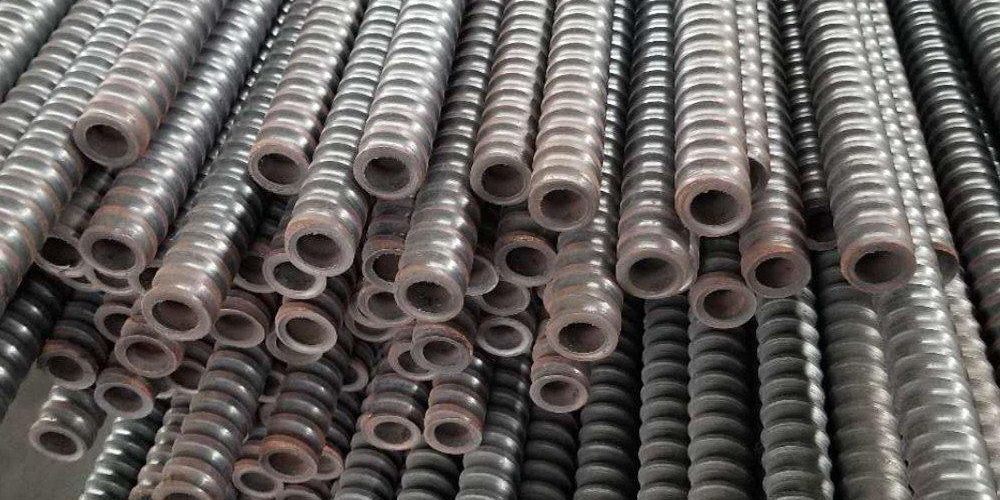
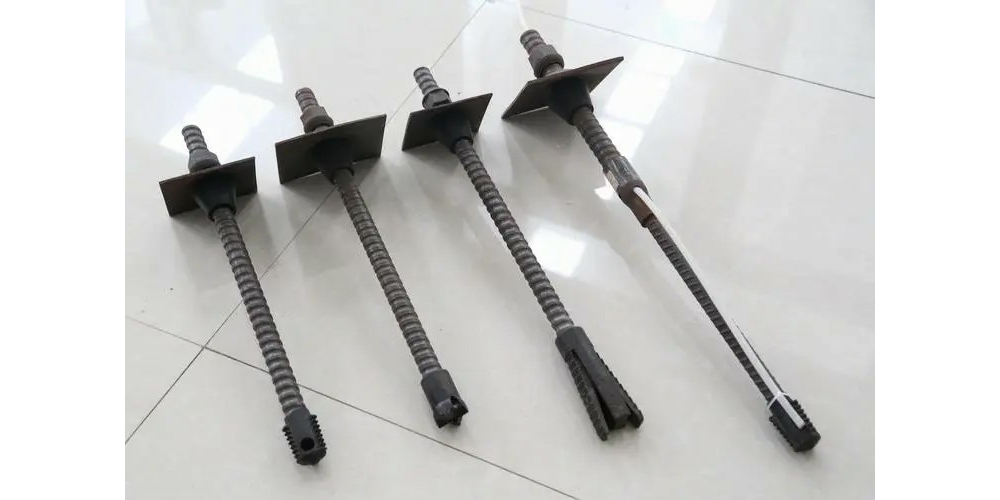
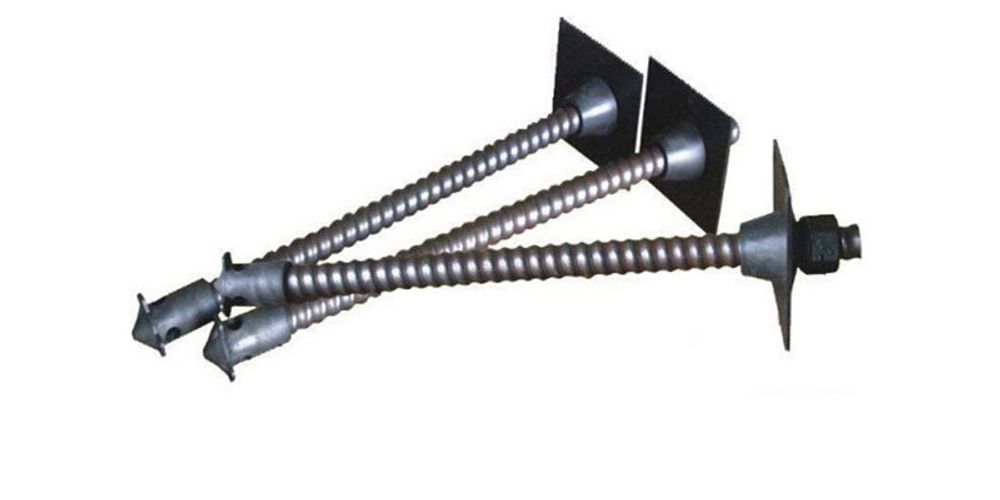
Hollow grouting anchor
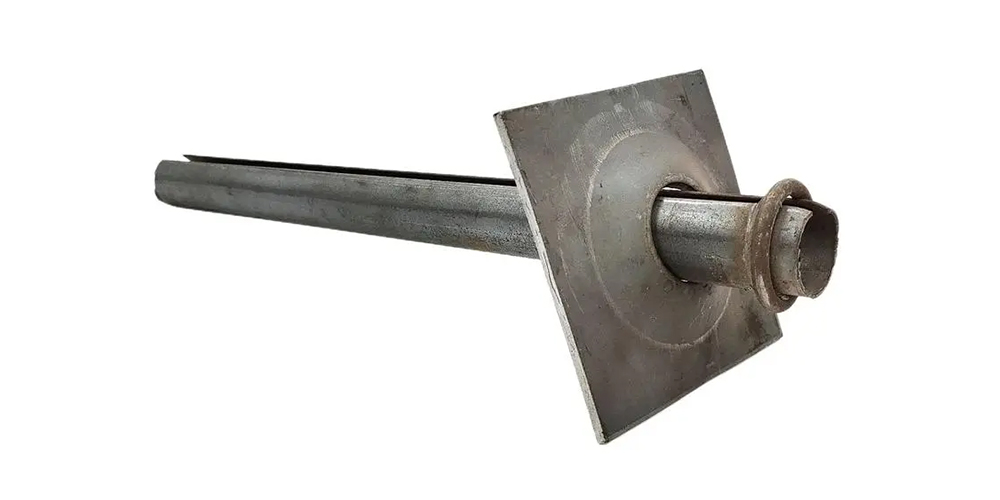
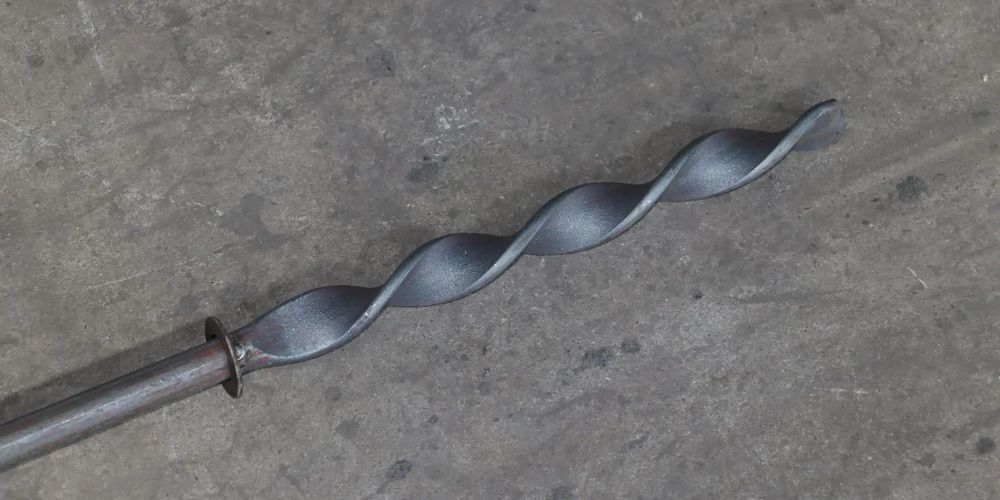
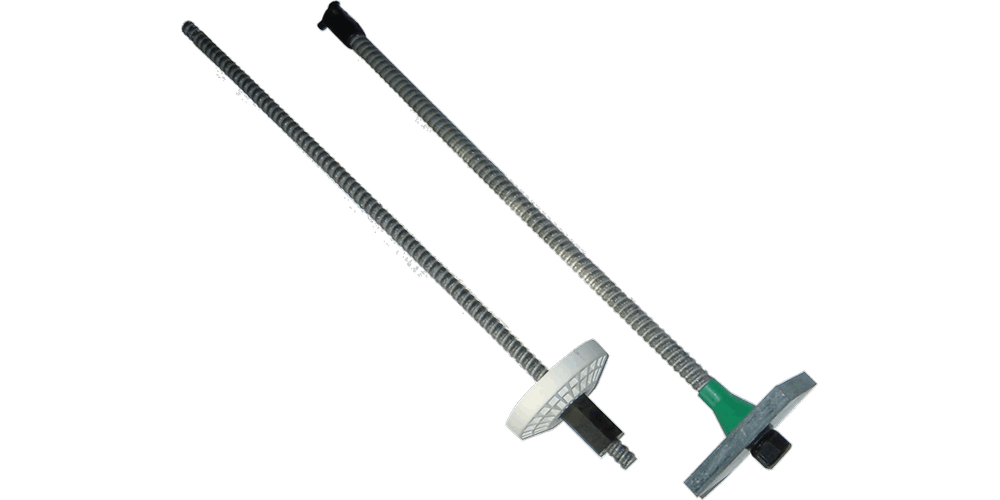
Hollow grouting anchor is a kind of support and reinforcement material used in underground engineering and geotechnical engineering. Compared with ordinary anchor, hollow grouting anchor has a hollow pipe inside, which can be used to inject grout or other materials to increase the bonding force and friction between the anchor and the formation.
Product Introduction
The main components of hollow grouting anchors include outer shell, inner tube, grouting hole and end cap. The outer shell is usually made of steel or other corrosion-resistant materials, and the inner tube is located inside the outer shell to form a hollow structure. The grouting hole is located on the side or end of the anchor and is used to inject slurry into the formation. The end cap is used to anchor the end of the anchor and form a connection with the formation.
The use of hollow grouting anchors usually includes the following steps:
1. Drilling: First, drill a hole where support or reinforcement is required.
2. Install the anchor: Insert the hollow grouting anchor into the drilled hole and install it to the desired location.
3. Grouting: Inject the slurry into the formation through the hollow pipe inside the anchor to fill the space and form a tight connection with the formation.
4. Curing: Wait for the slurry to solidify so that it forms a firm support with the formation.
Hollow grouting anchors are widely used in underground tunnels, foundation pits, rock slopes and slopes, etc., which can provide effective support and reinforcement effects and enhance the stability and safety of the project. It is characterized by simple construction and reliable effect, so it has been widely used in engineering practice.

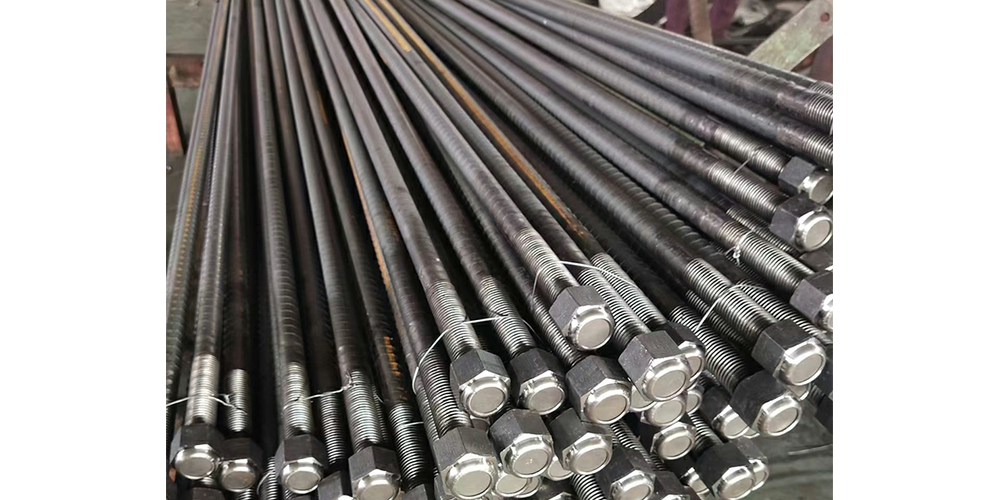



Production Process Technology
Material Pre-processing
Upon entering the production workshop, the raw materials undergo pre-processing, including cutting, shaping, etc., to ensure that the material dimensions and shapes meet production requirements.


Raw Material Procurement
We rigorously select high-quality raw material suppliers to purchase premium materials that meet national standards, including steel, alloys, etc. During the procurement process, we focus on quality inspection to ensure compliance with production requirements.
Surface Treatment
Products after manufacturing require surface treatment to enhance corrosion resistance and visual quality. Common surface treatment techniques include spraying, galvanizing, hot-dip galvanizing, etc.


Manufacturing Process
Following material pre-processing, the manufacturing process commences. Utilizing corresponding manufacturing techniques such as stamping, bending, welding, etc., based on product design and customer requirements, the products are manufactured.
Packaging and Warehousing
Products that pass the quality inspection enter the packaging phase. We utilize appropriate packaging materials based on product characteristics and transport requirements to ensure products remain undamaged during transportation.


Quality Inspection
We have established strict quality inspection standards and processes, conducting comprehensive monitoring and inspection at every stage of the production process. Through inspection, we ensure stable product quality compliant with national standards and customer requirements.

Factory Shipment
Upon completion of packaging, products undergo rigorous factory inspection and are shipped once confirmed to be error-free. We closely collaborate with logistics partners to ensure timely and secure delivery to customers.
Factory



Cooperation Process