









Online



Anchor
Mesh Series
tray
Steel belt
Anchor
Mining nuts
Steel strand
Rebar
Anchoring agent
U-shaped steel bracket
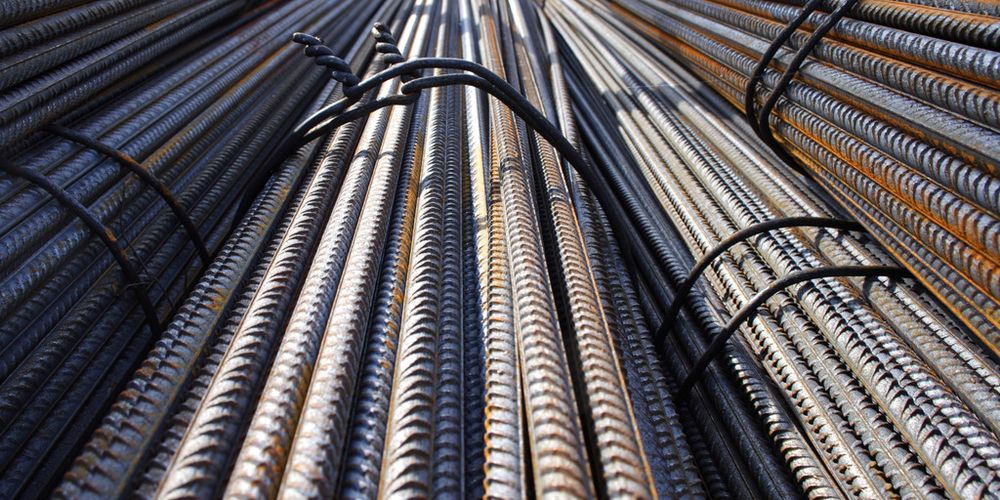
Rebar
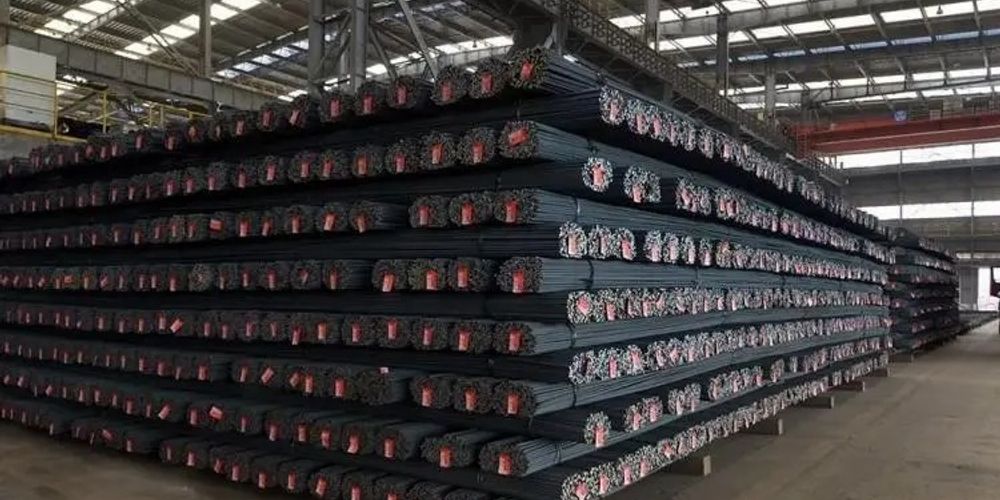
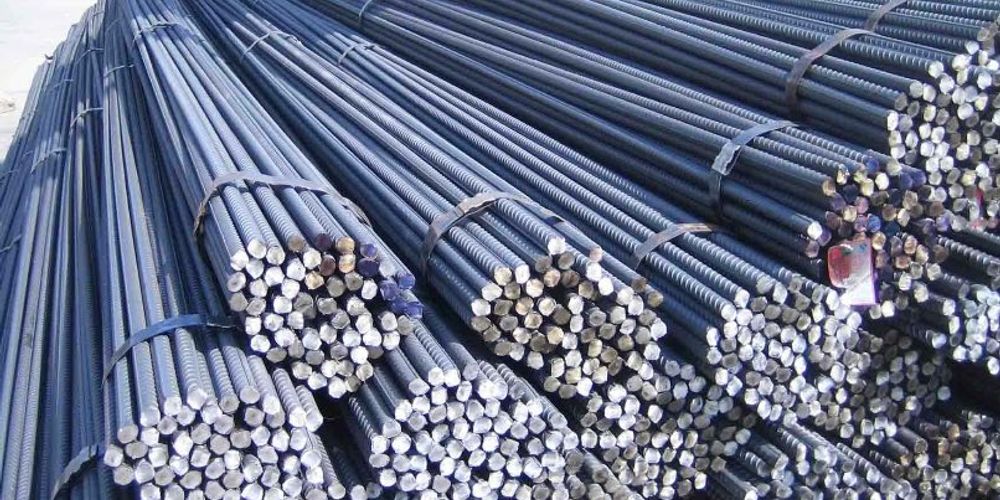
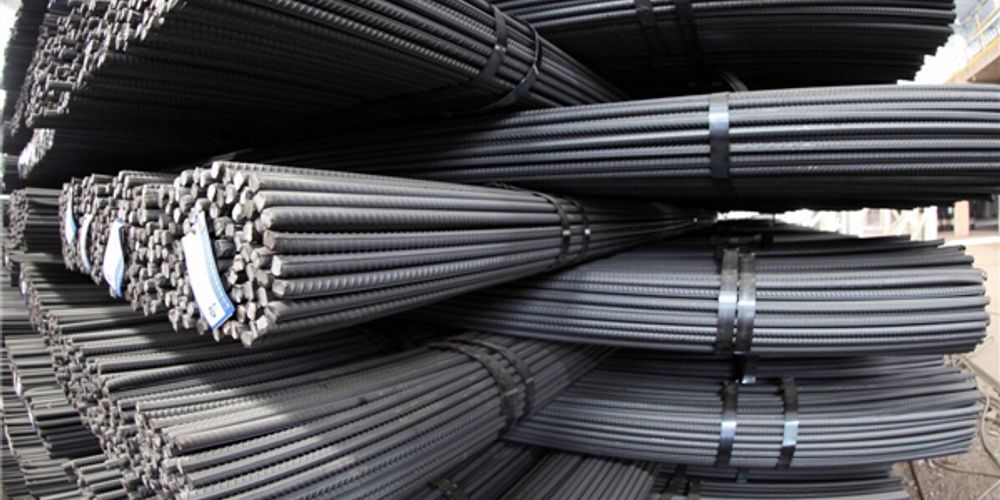
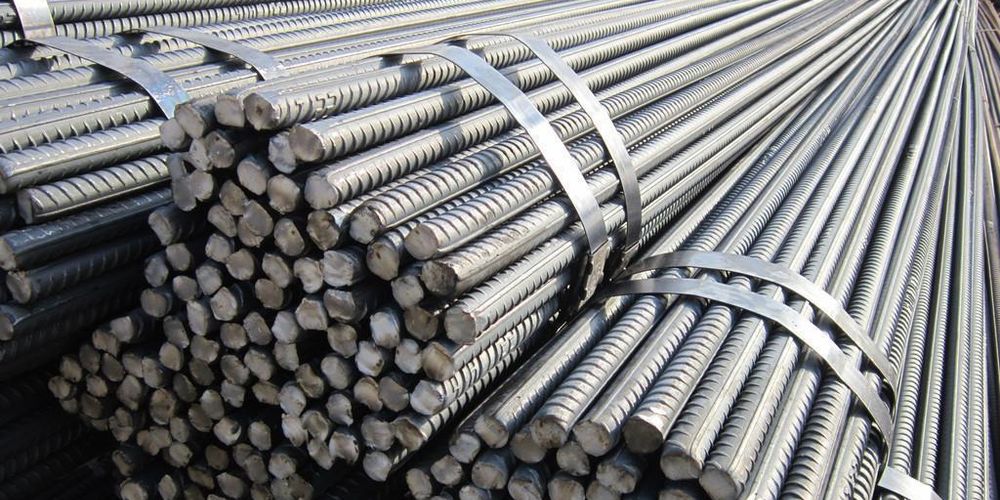
Rebar is a type of steel commonly used in the construction industry. It has a certain length of thread and is processed at both ends or as a whole. Rebar is usually used in reinforced concrete structures to enhance the tensile properties of concrete, thereby improving the overall load-bearing capacity. It is widely used in construction engineering, bridge engineering, road engineering and other fields.
Product Introduction
The main features of rebar include:
- High strength: rebar has high tensile strength and can withstand large tensile forces.
- Good machinability: rebar has threads on its surface, which can be tightly connected with nuts or bolts, making it easy to install and use.
- Excellent weldability: rebar has good welding performance and can be welded, making it suitable for different construction project needs.
- Corrosion resistance: rebar is usually made of high-quality steel and treated with anti-corrosion, has good corrosion resistance, and is suitable for various harsh environments.
- Economical and practical: rebar is an economical and practical building material with low cost and long service life. It is one of the indispensable important materials in many construction projects.
The diameter, pitch, thread length and other parameters of rebar will vary according to specific project requirements. In construction projects, rebar is often used to reinforce and connect components of reinforced concrete structures, such as beams, columns, plates, etc., to improve the overall bearing capacity and stability.
Production Process Technology
Material Pre-processing
Upon entering the production workshop, the raw materials undergo pre-processing, including cutting, shaping, etc., to ensure that the material dimensions and shapes meet production requirements.


Raw Material Procurement
We rigorously select high-quality raw material suppliers to purchase premium materials that meet national standards, including steel, alloys, etc. During the procurement process, we focus on quality inspection to ensure compliance with production requirements.
Surface Treatment
Products after manufacturing require surface treatment to enhance corrosion resistance and visual quality. Common surface treatment techniques include spraying, galvanizing, hot-dip galvanizing, etc.


Manufacturing Process
Following material pre-processing, the manufacturing process commences. Utilizing corresponding manufacturing techniques such as stamping, bending, welding, etc., based on product design and customer requirements, the products are manufactured.
Packaging and Warehousing
Products that pass the quality inspection enter the packaging phase. We utilize appropriate packaging materials based on product characteristics and transport requirements to ensure products remain undamaged during transportation.


Quality Inspection
We have established strict quality inspection standards and processes, conducting comprehensive monitoring and inspection at every stage of the production process. Through inspection, we ensure stable product quality compliant with national standards and customer requirements.

Factory Shipment
Upon completion of packaging, products undergo rigorous factory inspection and are shipped once confirmed to be error-free. We closely collaborate with logistics partners to ensure timely and secure delivery to customers.
Factory

Cooperation Process